Beyond Baywatch:
Nonprofit works to change the narrative around lifeguarding
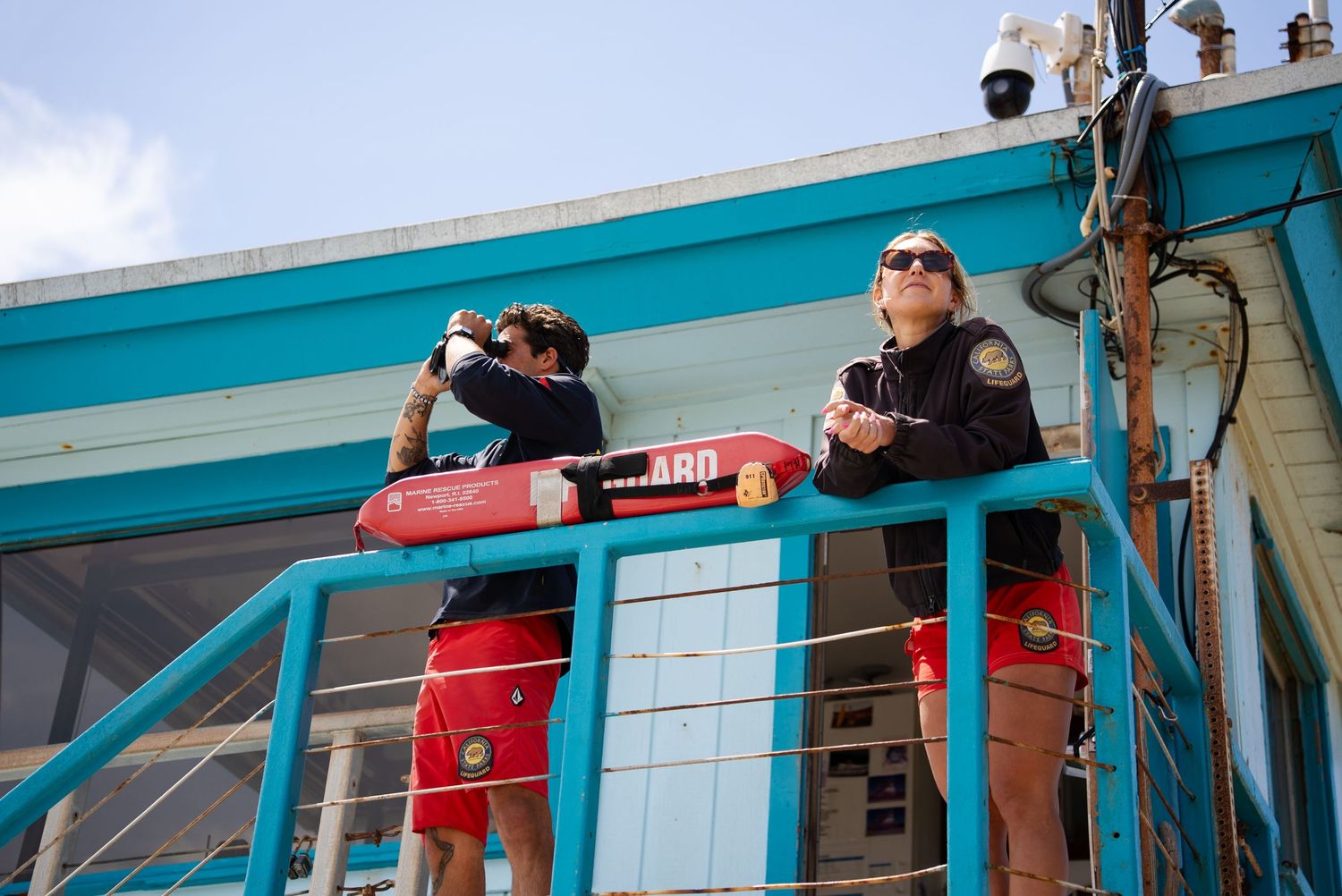
MCSLA members Chance Lawson and Carolyn Kahlberg scan Leo Carrillo State Beach in Malibu on April 16.
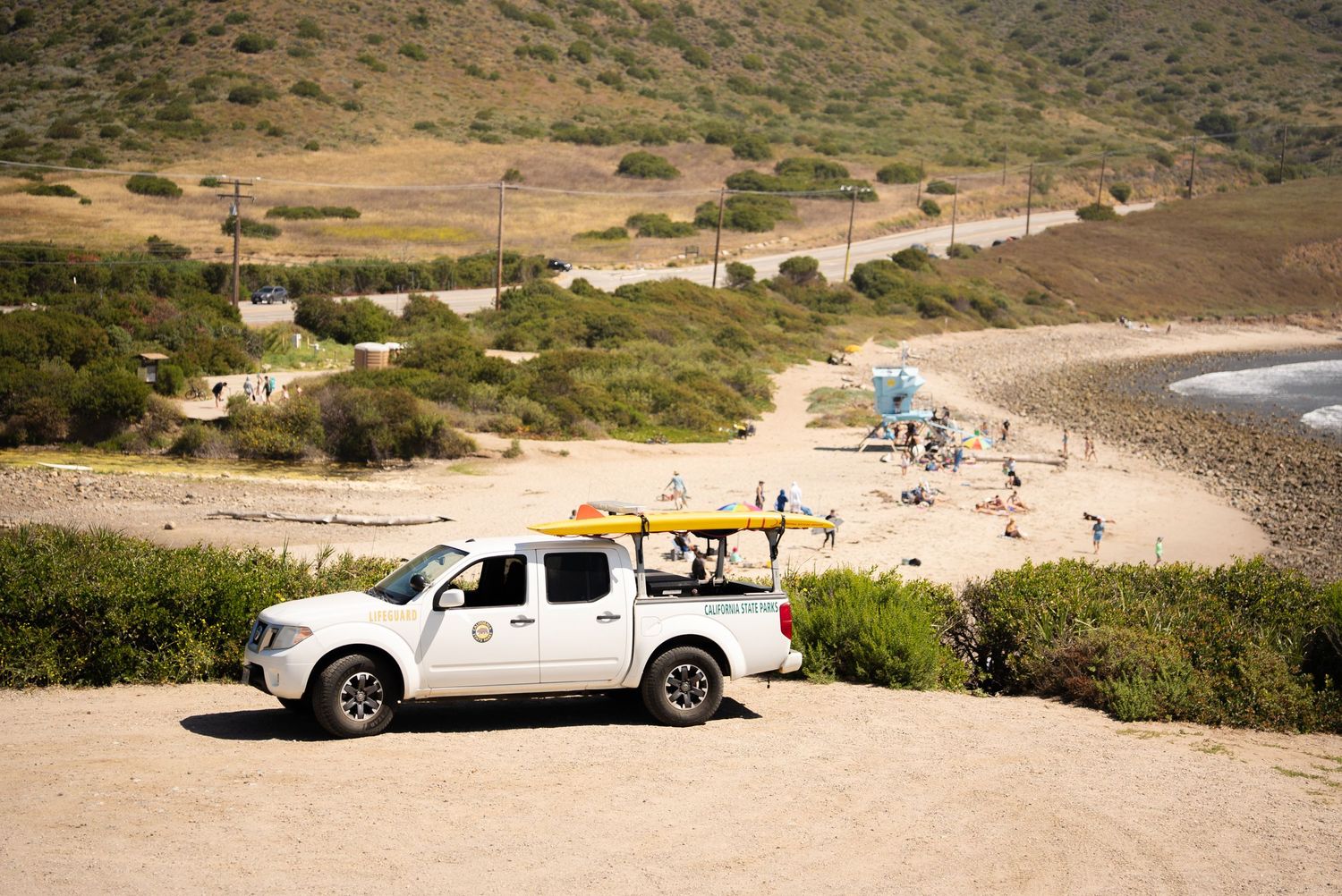
California State Parks lifeguard truck parked at Leo Carrillo State Beach in Malibu with beachgoers in the distance on April 16.
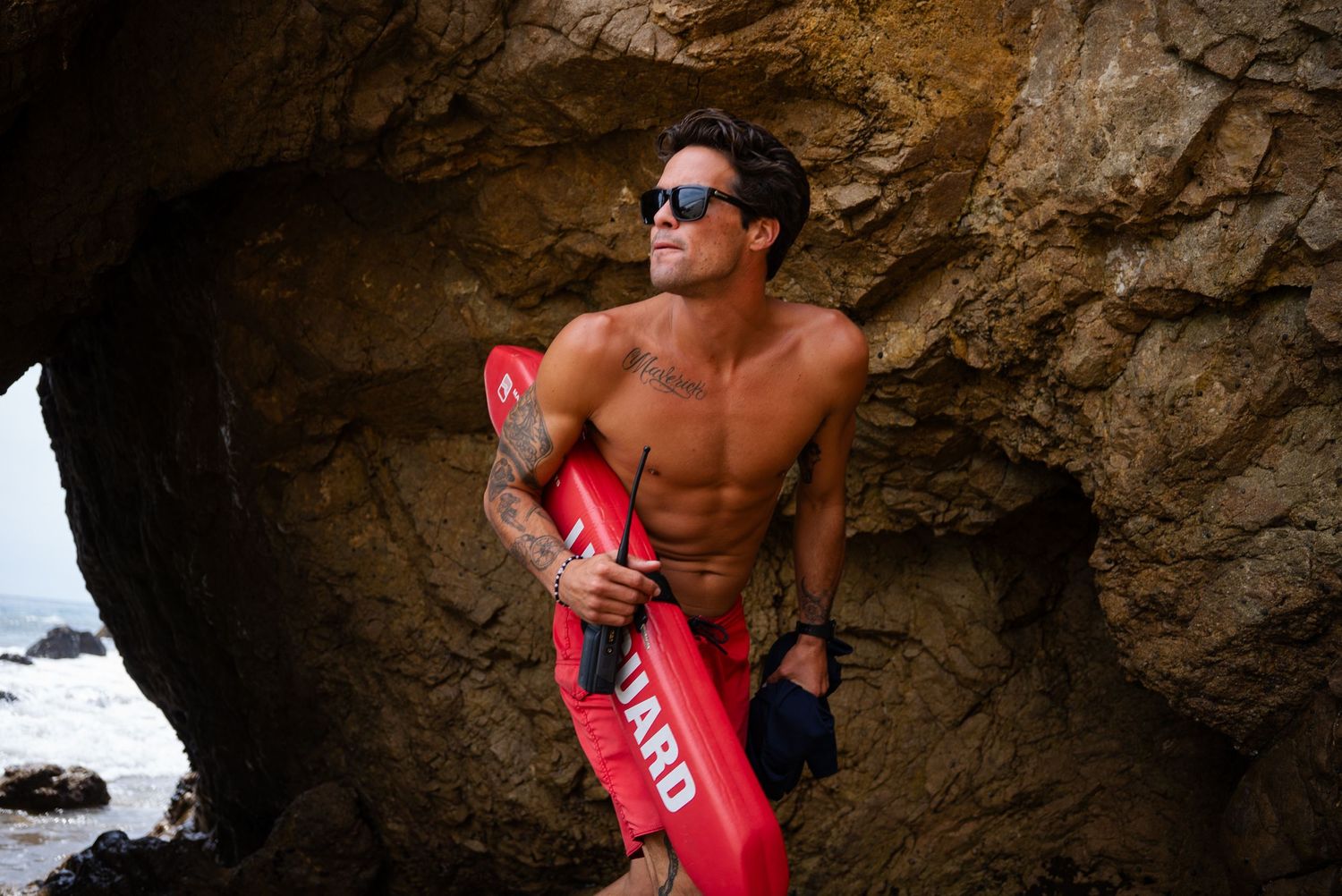
Chance Lawson patrols caves and shoreline at El Matador State Beach in Malibu on April 16.
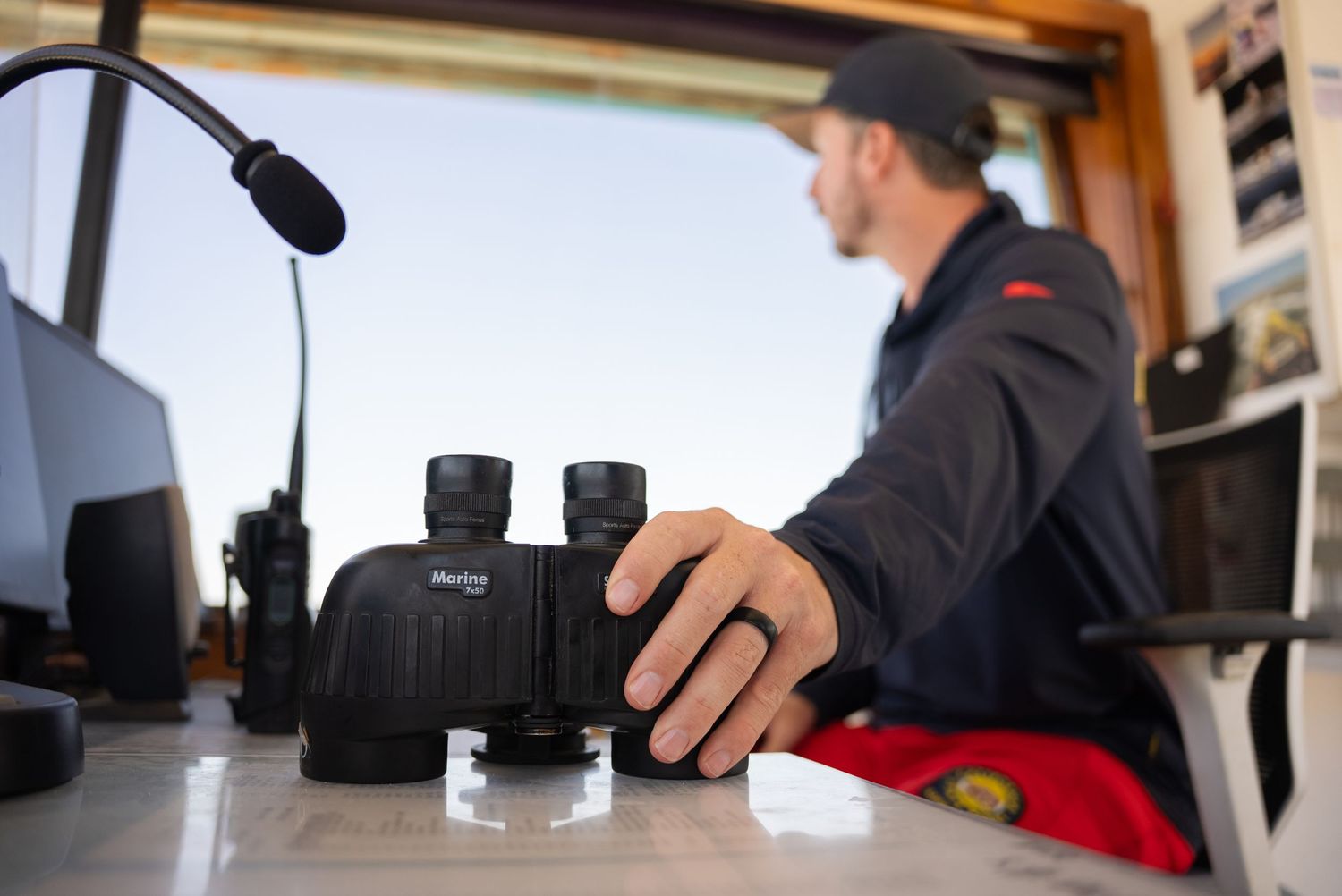
Zack Condon reaches for his binoculars in Tower 2 while patrolling Leo Carrillo State Beach in Malibu on April 6.
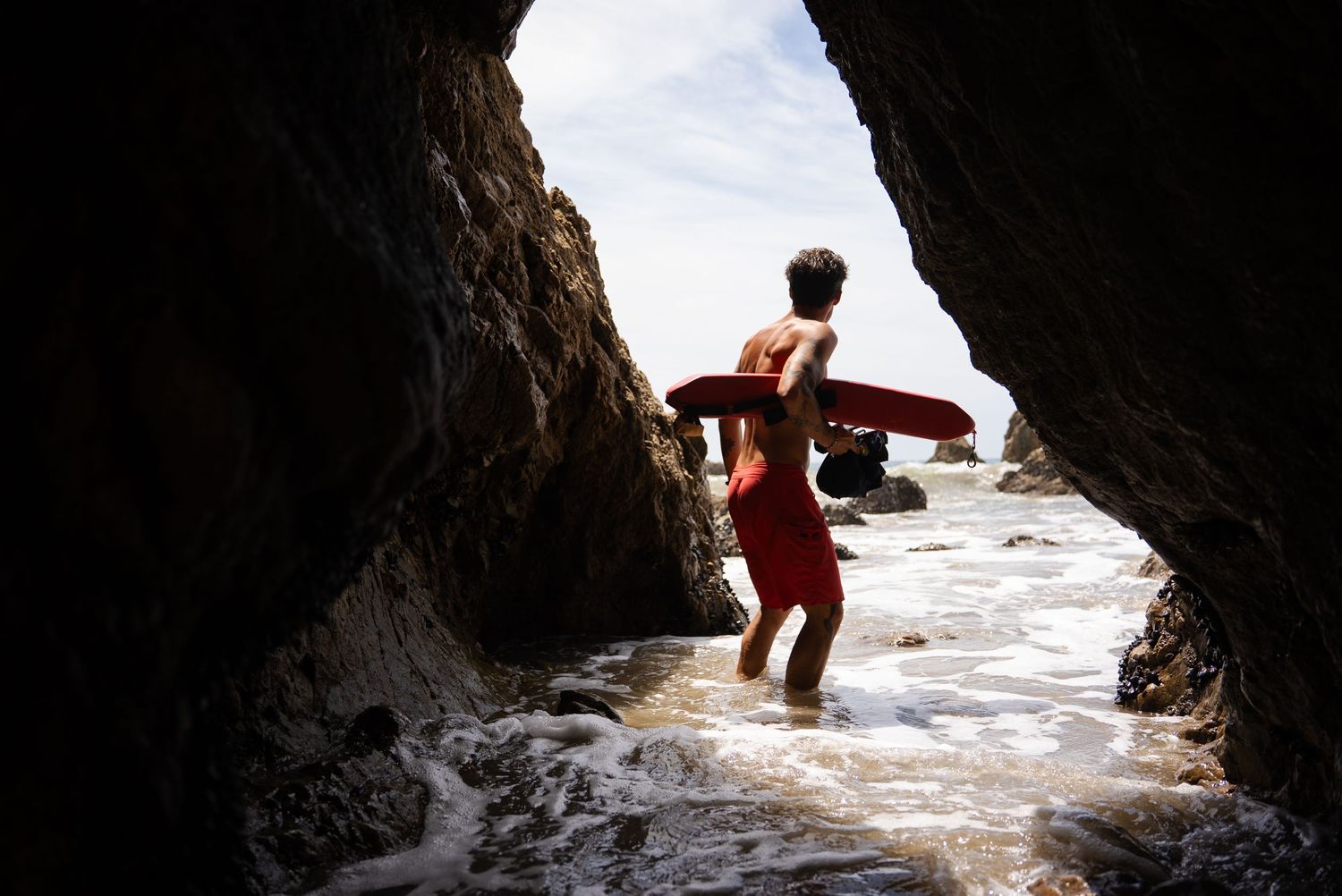
Chance Lawson navigates the caves and rocky terrain during high tide at El Matador State Beach in Malibu on April 16.
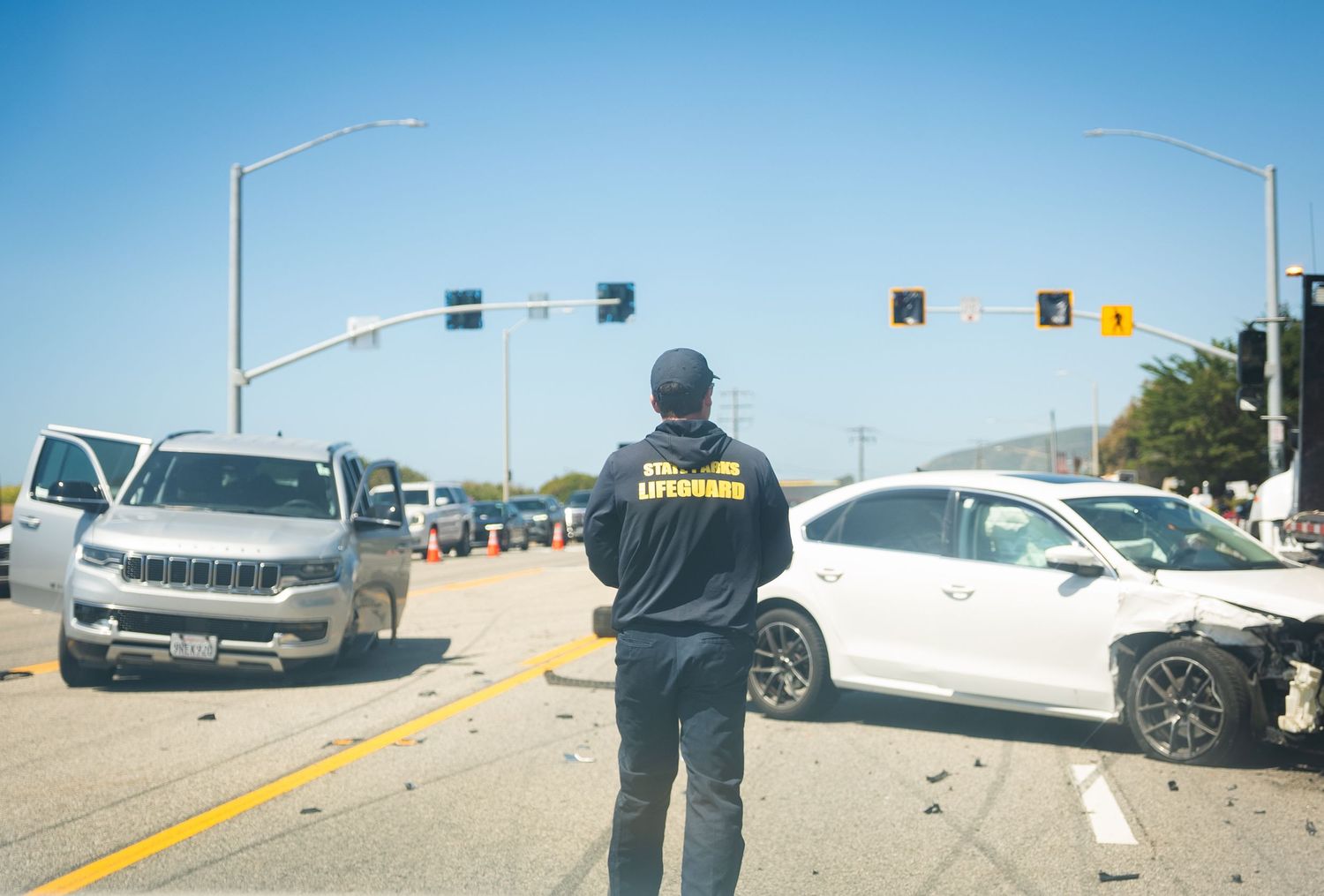
Zack Condon walks toward the scene of a traffic collision near County Line on April 6. California State Parks lifeguards are often among the first to respond to emergencies beyond the sand and water.
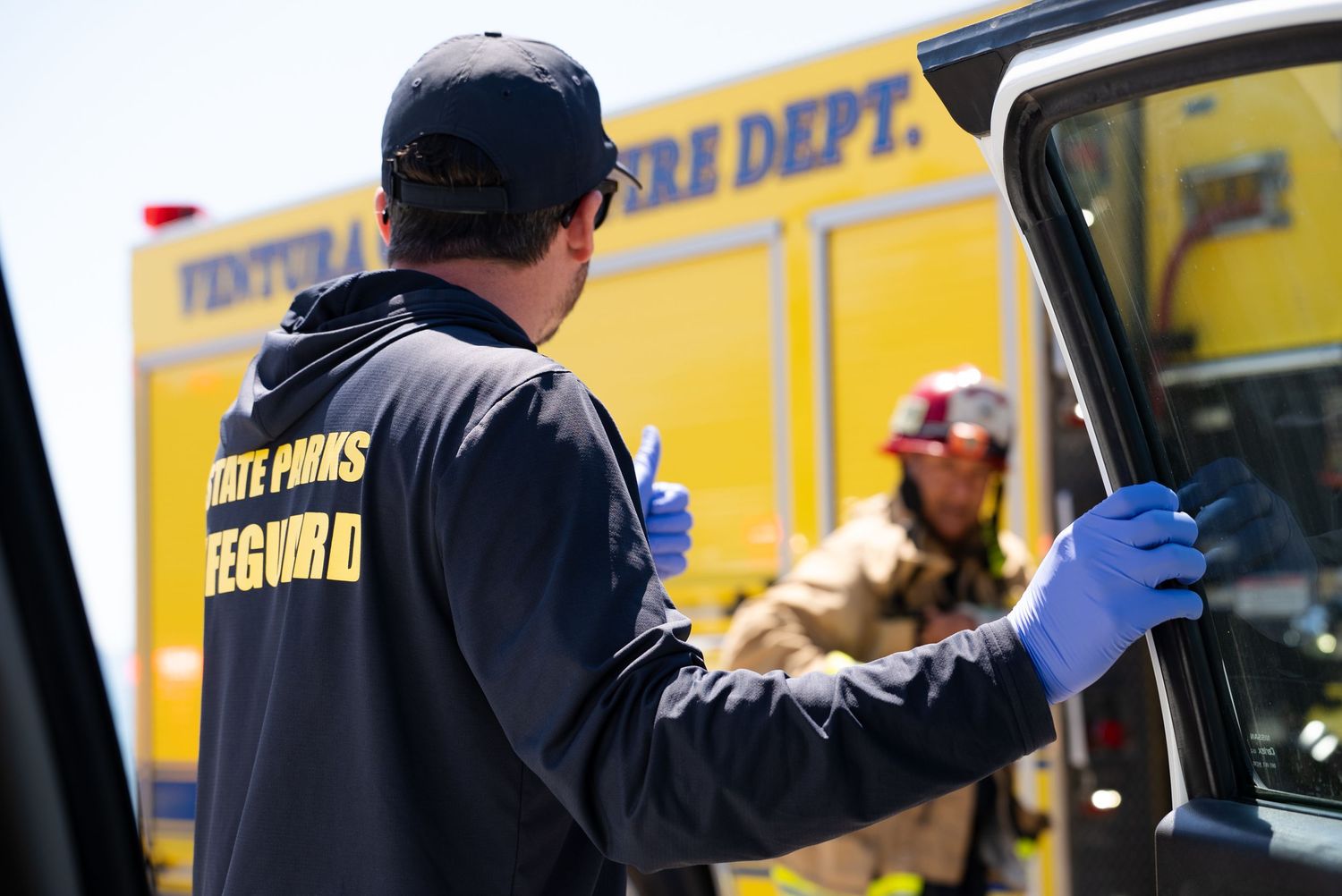
Zack Condon checks in with Ventura County firefighters as they arrive at the scene of a traffic collision near County Line on April 6.
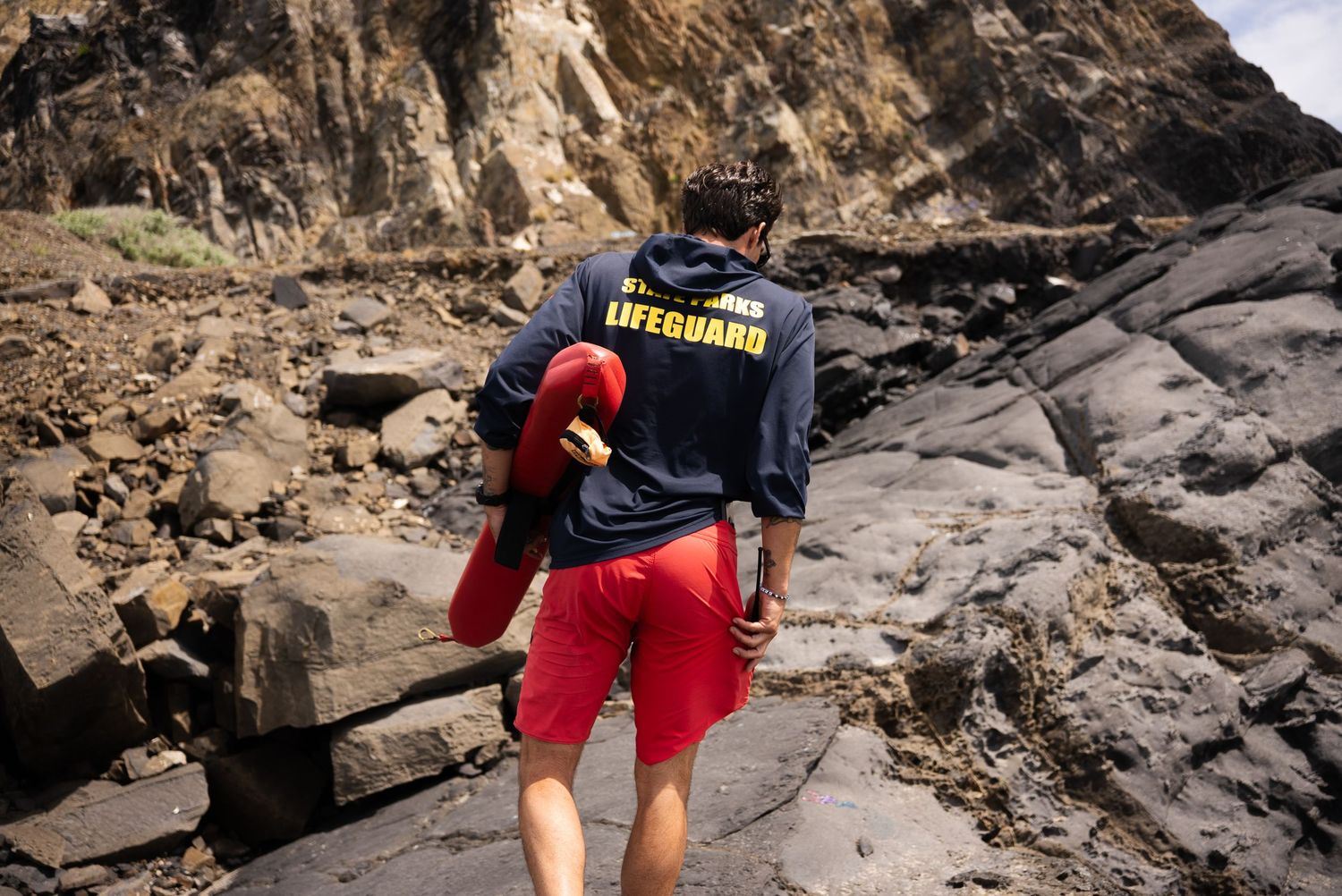
Chance Lawson navigates the rocky cliffs of Point Mugu on April 16.
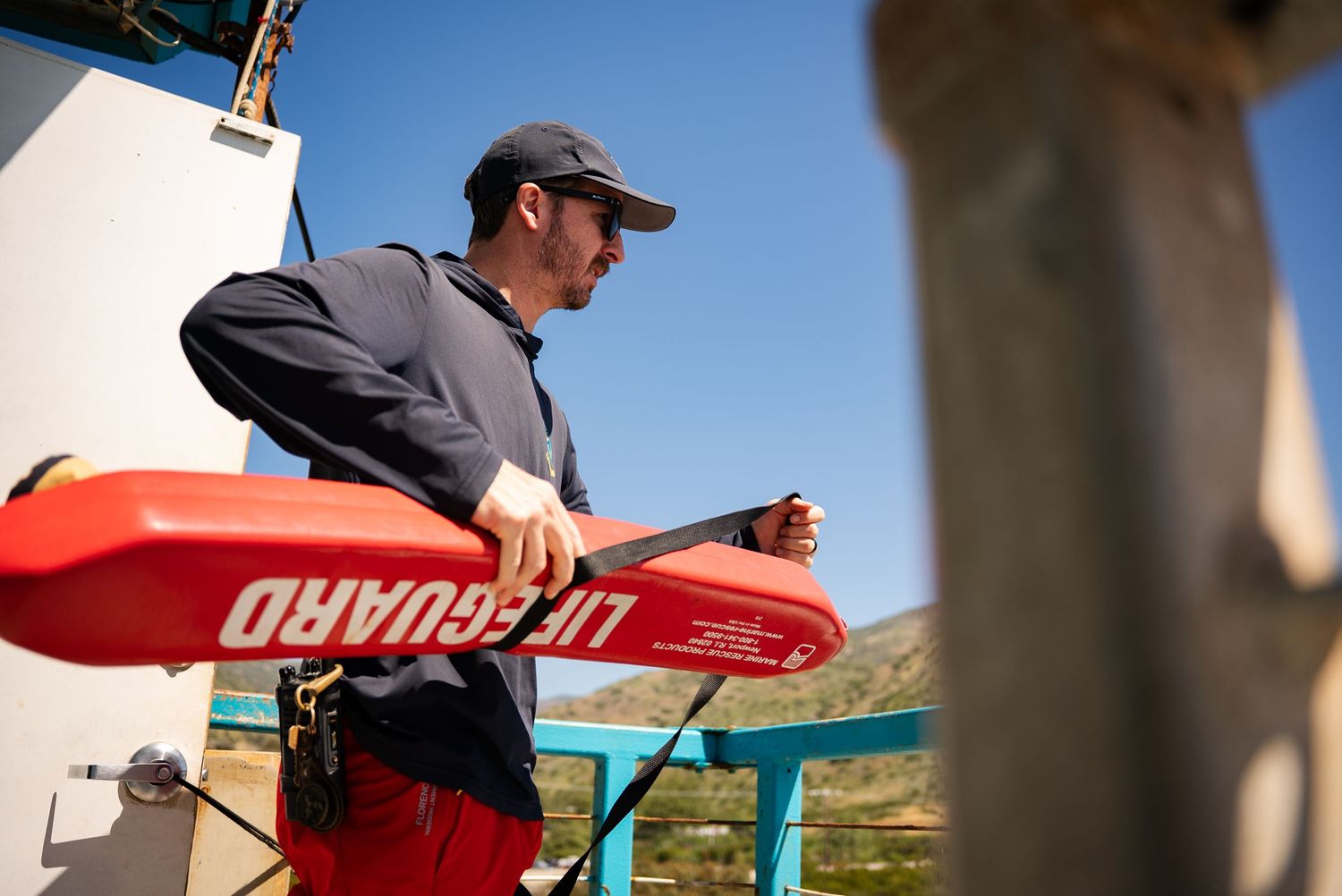
Zack Condon unties his rescue buoy atop Tower 2 at Leo Carrillo State Beach as he watches the coastline on April 6.
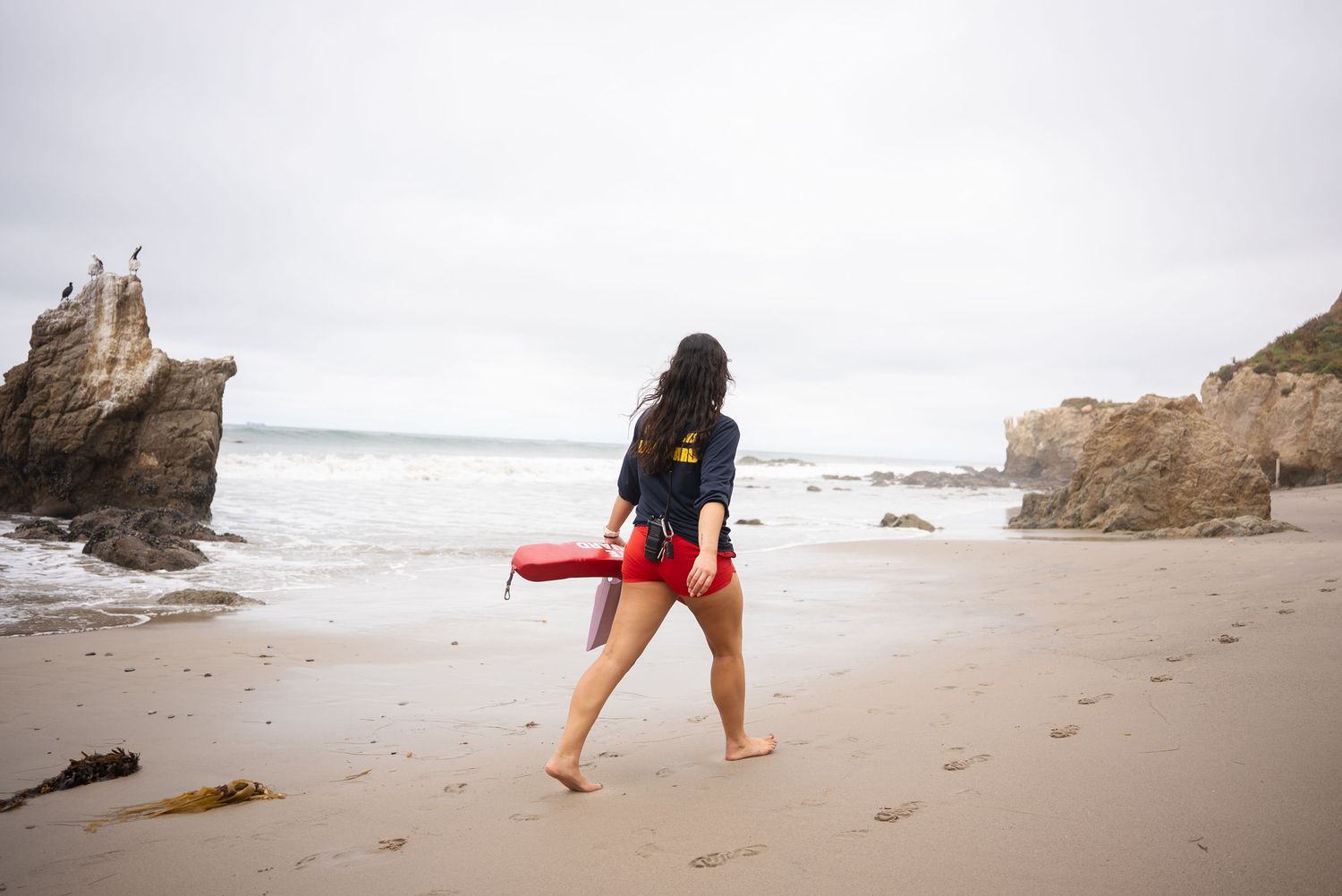
MCSLA President Gisele Halualani walks along El Matador State Beach in Malibu while patrolling the coast on April 10.
On the same Malibu beaches 90’s TV lifeguards made famous, today, real responders face life-or-death emergencies every day, sometimes without the proper equipment or pay.
That gap in resources is where the Malibu Coast Surf Lifesaving Association (MCSLA) steps in. This nonprofit organization supports California State Parks lifeguards in Los Angeles.
Tasked with far more than watching the shoreline, Gisele Halualani, president of the MCSLA, and other members of the MCSLA said they are committed to breaking stereotypes of lifeguards as simply “Baywatch” and redefining them as true first responders and building community.
“There is a continued misconception surrounding what a lifeguard is and what a lifeguard does, and Hollywood often perpetuates that narrative,” said Halualani. “There’s an underrepresentation in the terms of the public not really understanding the versatility of a lifeguard and that our job is far more than getting a tan at the beach.”
Already on the scene, lifeguards are true first responders, assessing any and all possible accidents to keep the public out of harm's way.
The First on Scene
Halualani said state park lifeguards in the Malibu area have a unique role due to its narrow placement between the Santa Monica Mountains and the Pacific Ocean, responding not only to ocean rescues, but also to traffic collisions, cliff rescues and medical emergencies in the mountains.
“I don't think that there's a single call or a single rescue or a single medical emergency that our lifeguards here at Mugu respond to that's the same,” Halualani said. “They're all unique. And I think that's what makes lifeguarding here so special.”
Gabe Del Castillo, MCSLA state park representative and board member, said lifeguards are trained for all possible scenarios from the second they start the job.
“As a seasonal lifeguard, at 16 years old, with your minor medical kit box and your sandals, you can be the first to respond to a major vehicle accident and all the way to the aquatic rescues that you're trained for,” Del Castillo said.
While other first responders are most often called to the scene, lifeguards have the unique role of already being at the scene itself watching for potential accidents.
“We don't get seen as first responders, because we're already there,” said Zack Condon, MCSLA senior advisor and board member. “Our job is to staff a tower or work in a truck in an area of inherent danger.”
Chance Lawson, MCSLA senior advisor and board member, has lifeguarded for 17 years and said he has responded to thousands of calls. Lifeguards cover everything from whatever is happening on the sand, in the water, or in the mountains and are almost always the first ones to the accident.
Lawson said he hopes all people, including his own daughter, can realize the fact that lifeguards work to save lives each and every day.
“I want her to understand that when I leave her in the morning and I tell her, ‘Hey, daddy's got to go lifeguard’…that she knows daddy's going to go save some people today,” Lawson said.
Dave Habib, founder of the MCSLA, said lifeguarding is more similar to other first responder roles such as firefighters, police officers and paramedics than one might think.
“The two jobs [lifeguarding compared to other first responders] as far as a public service component are equal in the duties, the expectations, the commitment, the training, the time and the discipline that are required of each individual,” Habib said.
The Deficit
Despite similarities, Halualani and other MCSLA members said state park lifeguards face growing gaps in pay, benefits, insurance and public recognition when compared to other first responders.
“We are California State Park Ocean lifeguards within the Angela district,” Halualani said. “So one of the reasons why state parks lifeguards aren’t as well-funded or financially supported is because California State Parks operates on a state level whereas Los Angeles County is only within the county of Los Angeles.”
While LA County lifeguards are able to better allocate funds since they operate in a smaller area, Halualani said California State Parks has to allocate funds all up and down the coast of California, leaving their lifeguards often lacking resources such as equipment and health-benefits crucial to their job.
Halualani said the MCSLA works in tandem with LA County Lifeguards to help serve the shared, and local community of Malibu, and lifeguards at the county and at the state are underrepresented as a whole when it comes to recognition of the severity and gravity that their jobs hold.
Halualani said her mission as president has been to advocate for equipment and pay for state parks lifeguards.
“One of the largest and most obvious ways that we’re overlooked is through pay. I've sought out grants, partnerships, support, donations, access to high-quality gear for our lifeguards that isn’t necessarily accessible” Halualani said.
The Organization
As state park lifeguards in northern Malibu began to recognize these gaps in resources and support, a collective response took shape and the MCSLA was born.
The organization was created by local Malibu state parks lifeguards to support lifeguards through training, equipment and competition, while promoting the highest level of water safety, according to the official MCSLA website. What began as a loose group of lifeguards was then formalized into an official 501(c) nonprofit under founder, Dave Habib, giving the group a unified voice.
“Having the community understand what we're trying to do for our beaches and also trying to, kind of ‘spur the horse,’ with the state a little bit in getting some things done that have been needed for quite some time and having a little bit more of a collective voice to do so,” Habib said.
Members said the organization helps bridge the gap between what state parks lifeguards are expected to do and the resources that are given to them. Del Castillo said the MCSLA plays a key role in supporting lifeguards beyond what seasonal positions would normally provide.
The organization has provided essential equipment and partnerships that help lifeguards perform their jobs more effectively. From hydration to gear like swim fins, wetsuits and sunglasses, Lawson said the support from the MCSLA allows for lifeguards to save a bit of money rather than spending their income on gear they need for their job.
Condon said the organization also serves as an advocate.
“They've seen other voids that they can fill by being advocates and using the power of the profession,” said Condon.
Habib said the organization allows lifeguards to come together to address the overall shared needs of the workforce. He said that by working collectively and building relationships with vendors, the group is in a better spot to advocate for improvements while also holding the state accountable for lack of support.
The Community
Beyond resources and advocacy, members said the MCSLA has also helped foster a sense of community among the state parks lifeguards who work in Malibu.
Members said relationships built through the organization strengthen both morale and performance on the job. Del Castillo said stronger bonds between lifeguards translates directly into better teamwork when it comes to high-pressure situations.
“When you have a better bond to the people that you work with, we're a lot more capable,” Del Castillo said.
Halualani said the growing visibility of the lifeguard workforce through the organization has also helped validate the work they do within the broader community.
Some members describe the MCSLA as more than just a nonprofit, calling it a unifying force for lifeguards past and present. Lawson said it creates a lasting sense of belonging, even for those who have moved on from the profession.
“It brings camaraderie. It brings morale,” Lawson said. “So many lifeguards have come through here and a lot of lifeguards have left, but they are still a part of this family.”
Habib said the organization allows lifeguards to come together to address the overall shared needs of the workforce. He said that by working collectively and building relationships with vendors, the group is in a better spot to advocate for improvements while also holding the state accountable for lack of support.
Written by Dane Malzahn
Photos by Dane Malzahn